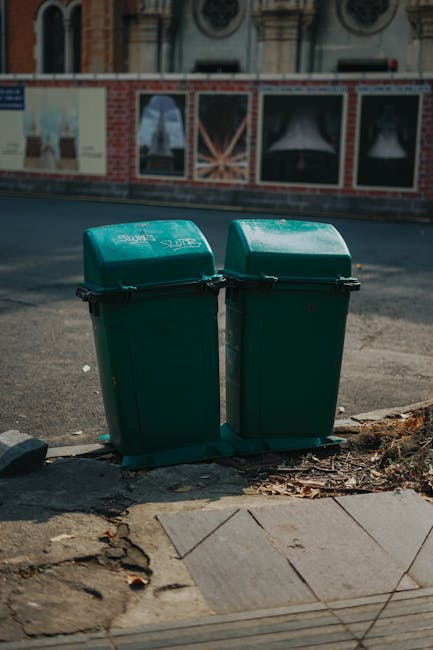
How to Dispose Bulky Waste in West Hendon After Moving
Posted on 10/06/2026
Moving house has a strange way of making everything look bigger. The sofa that somehow survived three homes suddenly feels impossible. The mattress, the wardrobe, the old freezer, the broken desk in the spare room - all of it seems to appear at once, usually when you are already tired and running on tea and adrenaline. If you are looking for practical advice on how to dispose bulky waste in West Hendon after moving, this guide walks you through the sensible options, the common traps, and the easiest way to keep the whole thing from turning into a half-finished headache.
Truth be told, bulky waste disposal is rarely just about "getting rid of stuff." It is about planning what leaves, what stays, what can be reused, and how to move it out safely without making a mess of your new start. That is especially true in a busy London area like West Hendon, where space, parking, and time can all be tight. The good news? You have more options than you might think, and the right order matters more than most people realise.
This article covers the full process in plain English: what counts as bulky waste, how disposal usually works after a move, what to do with furniture and appliances, how to avoid mistakes, and when it makes sense to get practical help. If your move is still ongoing, you may also find it useful to look at decluttering before the move and smart packing for a smoother house move so the bulky items do not pile up at the end.
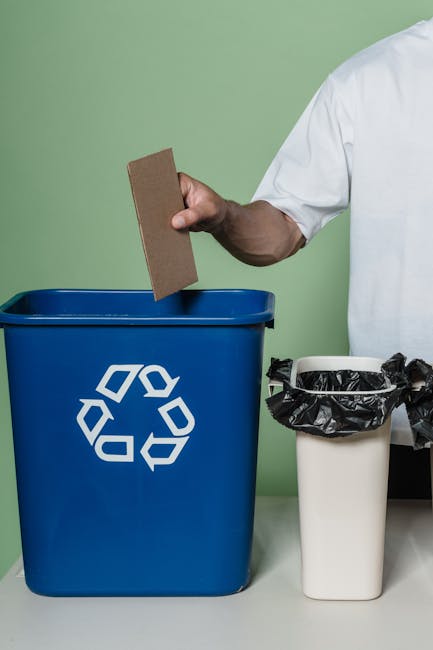
Why How to Dispose Bulky Waste in West Hendon After Moving Matters
After a move, bulky waste is often the final thing standing between you and a proper reset. Old wardrobes, sofa beds, broken drawers, scratched tables, mattresses, and appliances can take over hallways and storage spaces very quickly. In a flat, that means clutter. In a house, it often means the garden, garage, or spare room becomes a temporary dumping ground. And then, somehow, it stays there for weeks.
Getting rid of large items matters for a few practical reasons. First, it frees up space so you can settle in properly. Second, it reduces trip hazards and fire risks, especially when boxes are still everywhere. Third, it helps you avoid leaving a property in a poor state if you are moving out and need to hand it back clean. A lot of people only realise this once they have already carried the last box through the door. A bit late, yes, but still fixable.
There is also a financial angle. Bulky waste can be expensive to handle badly. Leaving items behind, using the wrong disposal route, or trying to overload a small vehicle often leads to extra hassle and avoidable costs. In our experience, the people who do best are the ones who treat disposal as part of the move, not something to sort out "next weekend." That weekend tends to vanish.
And let's be honest: no one wants a new home filled with old problems. Starting with a clean slate really does change the feel of a place. You notice the quieter rooms, the extra light, the sense that the move is actually complete.
How How to Dispose Bulky Waste in West Hendon After Moving Works
Bulky waste disposal usually follows a simple logic: identify the item, decide whether it can be reused or recycled, choose the disposal route, then arrange transport and safe lifting. The details change depending on the item itself. A sofa is not the same as a fridge freezer, and a bed frame is not the same as a piano. Common sense helps, but so does a little structure.
In practical terms, there are usually four broad routes:
- Reuse or donate if the item is in decent condition.
- Sell or give away if it still has value and time is on your side.
- Recycle or separate components where materials can be recovered.
- Arrange collection or removal if the item is too large, heavy, or awkward to handle yourself.
Some items need more thought because they contain materials or parts that should be handled carefully. Fridges and freezers, for example, should not be treated like ordinary furniture. If you are dealing with one after a move, it is worth reading practical fridge freezer care tips and safe freezer storage guidance before deciding whether it can be reused, stored, or removed.
Timing matters too. If bulky waste sits around too long after a move, it gets in the way of unpacking, cleaning, and any final property checks. A lot of people underestimate how much easier it is to deal with items while the van, helpers, and momentum are still available. Once everything is unpacked and you have started living around the pile, the task somehow doubles in size.
Key Benefits and Practical Advantages
Done properly, bulky waste disposal after moving is about more than tidiness. It can improve safety, save time, and help you avoid wasting money on storage or repeated trips. Here are the biggest practical wins.
- More usable space in your new home right away.
- Less physical strain because the heaviest items leave in one planned action.
- Cleaner handover if you are leaving a rented or sold property.
- Better recycling outcomes when items are sorted rather than dumped.
- Lower stress because there is one clear plan instead of several half-finished ones.
There is also a psychological benefit people sometimes forget. A new home feels calmer when the old clutter is gone. The room sounds different. You hear fewer thuds, fewer "where did we put that?" conversations, fewer groans when someone has to step over a mattress in the hallway. Small thing, maybe. But it matters.
If your move involved large furniture or awkward household goods, the process becomes even smoother when paired with sensible logistics. For instance, if you are moving out of a flat and need help handling bulky pieces, pages like furniture removals in West Hendon and house removals in West Hendon can be useful touchpoints for arranging transport alongside disposal.
Who This Is For and When It Makes Sense
This guide is for anyone who has just moved, is in the final stages of moving, or is trying to clear a home before settling in. That includes families, renters, students, landlords, homeowners, and office movers. It also helps if you are not technically "done" moving but already know the sofa will not fit, the old wardrobe is not worth keeping, or the bed frame has seen better days.
It especially makes sense in these situations:
- You have inherited furniture from a previous tenancy or owner that you do not want.
- You are downsizing and need to clear large items quickly.
- You are moving from a flat and have stairs, narrow halls, or awkward access.
- You are replacing old furniture and want the old pieces removed without a second round of effort.
- You need to make a property presentable for check-out, sale completion, or cleaning.
Students often face a version of this at the end of term too. If that sounds familiar, it can help to look at student removals in West Hendon because student moves and bulky waste often happen at exactly the same time. That final week can be chaos, to be fair.
There is no single right answer for everybody. If an item is clean, usable, and worth something, keeping it in circulation is often sensible. If it is broken, stained, unsafe, or too awkward to transport, disposal becomes the better choice. Simple as that.
Step-by-Step Guidance
Here is the practical route we would recommend after moving into or out of West Hendon. It is not fancy, but it works.
- Walk through the property and list every bulky item. Start with furniture, then appliances, then garden or storage items. You will notice more than you expected, especially in cupboards and loft spaces.
- Separate items into keep, sell, donate, recycle, or dispose. Be ruthless, but not reckless. Ask whether you would honestly pay to move the item again.
- Check whether the item can be dismantled safely. Flat-pack furniture, bed frames, and shelving often become much easier to handle when broken down properly.
- Clean the items before moving them out. This is especially useful for upholstered furniture, fridges, freezers, and mattresses. A quick wipe can make donation or recycling far more realistic. If you are cleaning the whole property, this cleaning guide before relocating is a useful companion.
- Measure doorways, corridors, stairs, and lift access. A lot of bulky waste becomes awkward not because it is huge, but because the route out is cramped.
- Choose the disposal route. If it is reusable, consider giving it away. If not, arrange removal or a local disposal solution.
- Plan the lifting and loading. Use the right number of people and avoid dragging heavy items across floors.
- Remove waste before the final clean. That way, dust, screw holes, and scuffs are easier to deal with.
For heavier items, it helps to think like a mover rather than a DIY hero. If you are dealing with a sofa, wardrobe, or bed base, a more controlled approach saves your back and your walls. There is some useful context in kinetic lifting techniques and heavy lifting tips and tools if you want to understand the basics before moving anything large.
One small but important point: if the item is too heavy for a single person to control safely, it is already too heavy to improvise with. That sounds obvious, but people still try it every day. Usually while muttering.
Expert Tips for Better Results
After enough moving jobs, a few patterns become very clear. The people who handle bulky waste best are not necessarily the strongest. They are the ones who plan the route, the order, and the load before anyone starts lifting.
1. Sort by access, not just by type
Put the items closest to the exit in the order you will move them. A heavy wardrobe should not block a light mattress if the mattress needs to go first. It seems minor, but it saves a lot of awkward shuffling.
2. Keep hardware in labelled bags
If you dismantle furniture, tape screws and fittings to the matching piece or place them in a labelled bag. You may think you will remember which bolt goes where. You probably won't. Not after a move.
3. Protect shared spaces
In flats and converted buildings, protect walls, stair edges, and communal flooring when moving items out. Small scratches can become real problems if you are in a rental or leasehold property.
4. Separate electrical items early
Anything with cables, plugs, or batteries deserves separate handling. Keep them together and do not mix them into ordinary rubbish by mistake.
5. Use storage only when delay makes sense
Sometimes an item is not ready to go yet. Maybe you need time to sell it, or the new room is not set up. In that case, storage can be a better temporary answer than leaving bulky pieces in a hallway. If that is your situation, storage in West Hendon may be worth considering.
And here is a small real-world observation: the best disposal jobs usually happen on the same day as the final clear-out. The house is still active, people are still in move mode, and nobody has started emotional attachment negotiations over a chipped coffee table. That helps.
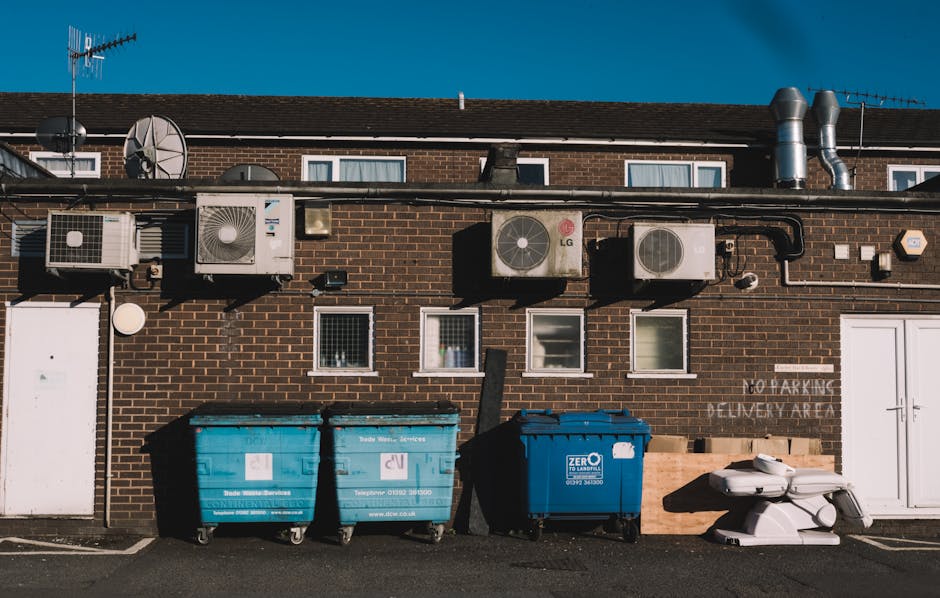
Common Mistakes to Avoid
Most bulky waste problems come from the same handful of mistakes. Avoid these and you are already ahead of the game.
- Leaving it until the last minute. This creates pressure, especially if parking or access is limited.
- Assuming every item can be dragged out in one piece. Some furniture needs dismantling first.
- Mixing reusable items with rubbish. That can reduce recycling or donation options.
- Ignoring weight and size limits in your own vehicle. One overloaded van trip can become three stressful ones.
- Forgetting about cleaning or access requirements. Dirty or damaged items are harder to rehome.
- Trying to lift alone when the item clearly needs two people. We have all had the "I've got this" moment. It usually ends with a pause and a wobble.
There is another subtle mistake: people often decide what to dispose of before they have fully seen the empty space. Once the room is clear, an old piece may no longer seem worth keeping. So if possible, give yourself a little breathing room before making final decisions. A day or two can change your mind in a useful way.
Tools, Resources and Recommendations
You do not need a warehouse of equipment to deal with bulky waste, but a few practical tools make the process safer and less awkward.
| Tool or resource | Best use | Why it helps |
|---|---|---|
| Furniture straps | Lifting sofas, wardrobes, mattresses | Improves grip and reduces strain |
| Heavy-duty gloves | Handling rough wood, metal, or splinters | Protects hands during dismantling and loading |
| Blankets or protective wraps | Moving furniture through tight spaces | Helps prevent scuffs on walls and surfaces |
| Basic tool kit | Removing screws, bolts, and fittings | Makes dismantling much easier |
| Dolly or sack truck | Moving heavy boxed items or appliances | Reduces physical effort and improves control |
For residents who want a simpler hands-on solution, a reliable local vehicle and lifting support can make a huge difference. Pages such as man with a van in West Hendon, man and van services, and removal van options are relevant if you need to move bulky items out efficiently rather than handling everything yourself.
If you are comparing help for a larger move, it can also be useful to explore removals in West Hendon or broader removal services in West Hendon. That gives you room to combine transport, lifting, and clear-out planning into one cleaner process.
Law, Compliance, Standards, or Best Practice
When disposing of bulky waste in the UK, the safest approach is to follow recognised local disposal and recycling practices, keep waste out of unauthorised dumps, and use responsible handlers for items that need special treatment. That is the plain version. If an item contains electrical components, refrigerant, batteries, or other special materials, it should be handled in a way that protects people and the environment.
In everyday terms, best practice means this: do not abandon items on the pavement, in communal areas, or beside bins unless you know they are being collected. Do not assume that "someone else will take it." Do not put hazardous or awkward waste into ordinary rubbish bags. And if you are unsure whether something can be recycled or reused, treat it conservatively until you know more.
For moving companies and customers alike, safety also matters. A reputable service should work with proper lifting practices, sensible load handling, and care around access points. If you want to understand the standards and approach behind a professional setup, it is worth reading about health and safety policy and insurance and safety. Those pages give reassurance that the job is being handled with care, not just rushed through.
There is also an ethical side to disposal. Reuse where you can. Recycle where possible. Dispose responsibly when you must. That balance is better for everyone, and it usually feels better too.
Options, Methods, and Comparison Table
There is no single best method for every bulky item. The right choice depends on condition, urgency, access, and how much help you have available. Here is a straightforward comparison.
| Method | Best for | Pros | Cons |
|---|---|---|---|
| Reuse or donation | Usable furniture and household items | Low waste, good value, environmentally sensible | Needs time, condition must be acceptable |
| Sell or give away | Items with remaining value | Can recover some cost | Requires communication, collection coordination |
| DIY disposal | Small amounts with good access | Can be flexible and budget-friendly | Heavy lifting, vehicle limits, time pressure |
| Professional removal | Large, heavy, urgent, or awkward waste | Faster, safer, less stress | Usually costs more than doing it yourself |
If access is awkward - and in West Hendon, that can mean narrow stairwells, parking pressure, or tight timing - a professional approach is often the least painful route. This is especially true for properties near busier roads or apartment blocks, where the lift-out has to be neat and quick. If you have ever tried to carry a sofa through a tight turn while someone holds a door, you already know the genre. Not fun.
For those coordinating the move itself, you may also find helpful support in flat removals in West Hendon or office removals in West Hendon if the bulky waste is part of a larger domestic or workplace clear-out.
Case Study or Real-World Example
Imagine a couple moving from a first-floor flat in West Hendon to a slightly bigger home nearby. They have one three-seat sofa with a sagging arm, a mattress they no longer want, a broken bedside unit, a coffee table, and an old freezer that has not worked properly for months. At first, they think they can handle it with a couple of local van trips.
By day two, the plan is wobbling. The sofa will not fit neatly downstairs without turning it on its side. The mattress is awkward in the hallway. The freezer is heavier than expected. And, as often happens, the items they "might keep" are now blocking the route to unpacking boxes. The place starts to feel smaller, not bigger.
So they change approach. They separate the items into categories: keep, recycle, dispose. The bedside unit and coffee table go for disposal. The freezer is set aside for proper handling. The sofa is checked for whether it can be reused or removed. The mattress is bagged and prepared for collection. They also clear the route before moving anything, which makes the whole job faster and quieter. Less shuffling, less scraping, less grumbling.
The result is not glamorous, but it works. By evening, the moving mess is gone, the hall is clear, and the couple can actually start living in the new place. That is the real goal, after all. Not just moving in, but feeling moved in.
Practical Checklist
Use this checklist if you want to keep the process simple and avoid last-minute chaos.
- List every bulky item after the move.
- Decide whether each item will be kept, reused, sold, donated, recycled, or disposed.
- Check whether anything needs dismantling.
- Measure access routes, doors, stairs, and lifts.
- Set aside bags or boxes for screws, brackets, and loose fittings.
- Clean items before disposal or donation where practical.
- Separate electrical items and special waste early.
- Choose a transport or removal method that fits the item size and access.
- Protect floors and walls during removal.
- Clear bulky waste before final cleaning and unpacking.
- Confirm your next step for any item you are not sure about.
Expert summary: the fastest way to handle bulky waste after a move is to sort early, lift safely, and avoid treating every item like a DIY job. If it is heavy, awkward, or valuable enough to matter, give it a proper plan. That one habit saves time, money, and your lower back.
Conclusion
Learning how to dispose bulky waste in West Hendon after moving is really about making the end of the move feel finished. Once the old sofa, mattress, wardrobe, or appliance is gone, the home starts to breathe again. The rooms make more sense. The clutter drops. The move stops being a project and becomes a place you actually live in.
The simplest approach is usually the best one: sort items early, keep reusable pieces out of the waste stream, handle heavy items with care, and choose a disposal method that matches the size and urgency of the job. If you are dealing with large furniture or need help moving bulky items out of a tight space, it is worth exploring furniture removals in West Hendon and related removal support before the pressure builds.
Get a free quote today and see how much you can save.
In the end, a clean clear-out gives you something valuable that is easy to overlook: a proper fresh start. And after moving, that matters more than people think.