Best Removal Routes in West Hendon NW9 for Fast Moves
Posted on 26/05/2026
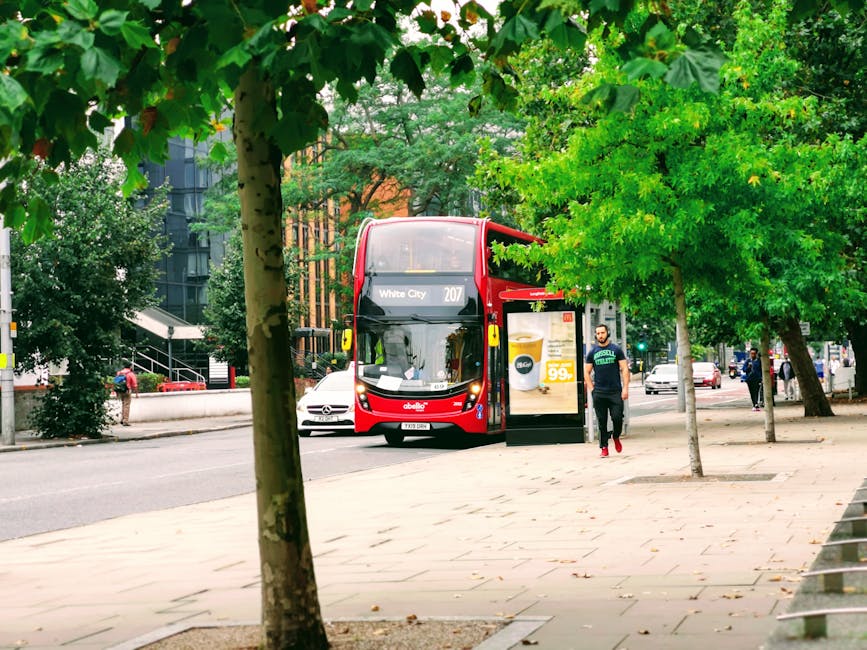
If you are planning a move in West Hendon NW9, the route you choose can make the difference between a clean, efficient job and a day full of avoidable delays. Narrow residential streets, school traffic, parking restrictions, and awkward access points all shape how quickly a removal van can load, travel, and unload. The best removal routes in West Hendon NW9 for fast moves are not just the shortest ones on a map; they are the routes that reduce bottlenecks, protect your belongings, and keep the schedule under control.
In this guide, you will find a practical breakdown of how to plan removal routes that actually work in the real world. We will look at access issues, route selection, timing, vehicle size, packing choices, and the small details that can save a surprising amount of time. If you want a move that feels organised rather than rushed, this is the kind of planning that pays off.
For extra support with the rest of your move, you may also find value in the full service overview, local removals in West Hendon, and a flexible man with a van service when you need a simpler, faster option.
Why Best Removal Routes in West Hendon NW9 for Fast Moves Matters
West Hendon is the kind of area where a move can be slowed down by factors that look minor at first glance. A route that seems convenient on paper may turn out to be awkward in practice if it passes through busy junctions, school pick-up zones, or streets with limited waiting space. In removals, time is not just money; it is also convenience, safety, and energy. The less time spent circling for access, the less stress for everyone involved.
Fast moves are especially important when you are working to a deadline such as a lease handover, a completion day, or a building access slot. A delay at the wrong point can create a chain reaction: loading takes longer, unloading starts late, and the whole schedule becomes harder to manage. That is why route planning is part of the move itself, not something to think about after the boxes are packed.
There is also a protection angle. A smoother route helps minimise sudden braking, repeated loading adjustments, and rushed handling at the kerb. If you are moving bulky items like wardrobes, sofas, or fragile instruments, a calm and direct approach reduces the chances of damage. For guidance on tricky items, it is worth reading the piano moving guide and the bed and mattress moving advice.
Expert summary: the fastest removal route is usually the one that combines easy vehicle access, reliable parking, low congestion at the planned time, and the fewest handling complications at both addresses.
How Best Removal Routes in West Hendon NW9 for Fast Moves Works
Route planning for removals is a blend of geography, timing, and practical loading strategy. It begins with the origin and destination addresses, but it should quickly expand to include the surrounding streets, turning restrictions, loading zones, and any access barriers. In a busy residential area, the route is often less about the main road and more about how the van enters and exits the immediate street network.
A good removal route is usually planned around four questions:
- Can the vehicle stop legally and safely near the property?
- Will the driver need to reverse, turn, or make multiple manoeuvres?
- Is the route likely to be congested at the chosen moving time?
- Does the route allow the move team to keep a steady loading and unloading rhythm?
That rhythm matters. Moves slow down when the crew has to keep pausing to look for space, carry items too far, or navigate around vehicles and bins. For this reason, a shorter journey is not automatically a faster one. A longer route with easier parking may actually produce a quicker overall move.
If you are organising a household move, pairing route planning with good packing makes a noticeable difference. A well-packed van is faster to load and unload, and fewer loose items means fewer last-minute reshuffles. For practical packing help, see smart packing tips for a smooth house move and decluttering advice before moving.
Key Benefits and Practical Advantages
Choosing the right removal route delivers a set of benefits that you feel immediately on moving day. The most obvious is speed, but that is only the beginning.
- Less waiting time: fewer delays at traffic pinch points and easier vehicle positioning.
- Cleaner scheduling: better chance of arriving within the agreed loading or handover window.
- Lower handling risk: fewer long carries, awkward turns, and repeated lifts.
- Reduced stress: everyone knows where the van is going and why.
- Better cost control: time saved on access and loading can reduce labour pressure on the day.
There is also a subtle but important benefit: route confidence. When the driver and move team know exactly how they will approach the property, the entire move feels more controlled. That calm approach is especially useful for flats, maisonettes, and homes where access is tight or shared. If you are moving into a flat, consider reviewing flat removals in West Hendon for a more suitable service format.
Another practical advantage is the ability to match the route to the vehicle size. Not every move needs the biggest van available. In some cases, a smaller vehicle with easier manoeuvrability is the smarter choice, especially where parking is limited or streets are tighter than expected. That is why a service such as a dedicated removal van option can be a better fit than forcing a large vehicle into an awkward job.
Who This Is For and When It Makes Sense
This approach makes sense for almost anyone moving in or out of West Hendon NW9, but some people benefit more than others.
It is particularly useful if you are:
- moving from a flat, maisonette, or apartment building;
- working to a same-day or next-day schedule;
- dealing with limited parking or a narrow access road;
- moving bulky furniture, appliances, or fragile items;
- balancing family logistics, work commitments, or building access times;
- trying to keep costs predictable by reducing delays.
Students often need a faster and more flexible moving plan because their dates can shift quickly and their loads are usually smaller but time-sensitive. In that case, a service like student removals in West Hendon can be a sensible match.
Office relocations are another good example. Even a modest office move can unravel if the route is not checked properly, because desks, monitors, files, and equipment all need steady handling. If your move involves business assets, office removals in West Hendon are worth considering alongside route planning.
And if you simply need a practical, no-drama move, the combination of a manageable route and a service that understands local conditions can save far more time than trying to improvise on the day. Truth be told, moving day already has enough surprises without adding poor access to the mix.
Step-by-Step Guidance
Here is a clear way to plan removal routes for a faster move in West Hendon NW9.
- Map both addresses carefully. Do not stop at the postcode. Look at the street layout, entrance position, nearby side roads, and where a van might realistically wait.
- Check traffic patterns for the time of day. Morning school runs, commuter peaks, and weekend retail traffic can all affect local journey times.
- Identify access points. Note front doors, side gates, lift access, service entrances, stairs, and any obstacles such as low branches or narrow curbs.
- Think about legal stopping space. A route is only useful if the vehicle can pause safely without creating a problem for neighbours or other road users.
- Match the vehicle to the property. Smaller vehicles are often better for tight residential streets; larger vans can help with volume if access is straightforward.
- Sequence the loading order. Pack items that will be needed first near the exit so the team can work efficiently once the van arrives.
- Build in a small time buffer. Even a good route can be affected by a delivery truck, roadworks, or a blocked bay.
For many households, moving preparation is not just about transport. It also includes the condition of the items themselves. A sofa should be covered properly, a freezer should be prepared before travel, and delicate items should be packed with the route in mind. Useful supporting reads include sofa protection and storage advice and safe freezer storage strategies.
One small but valuable habit: do a quick arrival rehearsal. Picture the van arriving, where it stops, which item comes off first, and how the team reaches the entrance. That mental run-through often reveals a bottleneck before it becomes a real delay.
Expert Tips for Better Results
If you want a faster move, the route plan should work alongside the way the items are packed and handled. That is where many moves win or lose time.
- Choose the loading point before the moving day. A van that parks close to the entrance saves far more time than one that has to stop at the nearest available gap and carry everything down the road.
- Use the route to guide packing order. Essentials, fragile items, and first-night boxes should be easy to reach.
- Avoid overfilling boxes. Heavy, unstable boxes slow down lifting and make manoeuvring through tight areas harder.
- Protect awkward items early. Mattresses, mirrors, and sofas should be wrapped or covered before the van arrives, not at the kerbside in a rush.
- Plan for one-way movement. If the property access is narrow, a streamlined carry path is often better than trying to overcomplicate the route.
If you are moving solo or with limited help, technique matters even more. Safe lifting and sensible load distribution prevent wasted time caused by rest breaks or minor strains. You may find solo lifting tips and tools useful, along with kinetic lifting guidance for safer movement habits.
There is also a practical case for using professional help when the route is tight. A good mover does not just drive; they assess the approach, reverse safely if needed, and keep the job moving without unnecessary handoffs. That is often the hidden advantage people notice only after they have tried to move everything themselves.
Common Mistakes to Avoid
Fast moves are often slowed down by a few predictable mistakes. These are the ones that show up again and again.
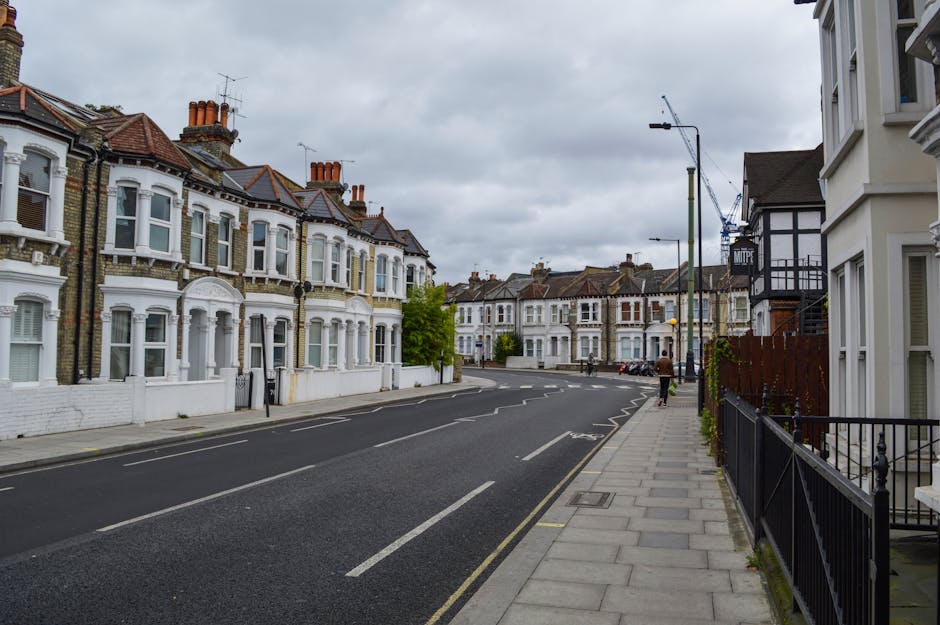
- Assuming the postcode tells the whole story. The final approach to the property is what usually matters most.
- Ignoring parking restrictions. A van that cannot stop legally will waste time, even if the route itself is short.
- Forgetting access at the destination. A smooth departure is pointless if unloading is blocked by stairs, gate codes, or no stopping space.
- Choosing a vehicle that is too large. Big is not always better in a residential area with limited manoeuvring room.
- Leaving packing until the last minute. Rushed packing creates awkward loading, which makes route efficiency much less effective.
- Not checking item-specific needs. Items like pianos, beds, and appliances often need extra planning.
Another common issue is underestimating cleaning and handover tasks. If you need to leave the property in good condition after the move, route speed alone will not solve the last-hour scramble. A useful reference is this home-cleaning before relocation guide, which helps you avoid that final panic that somehow always appears when you are already tired.
The good news? Most of these mistakes are preventable with a modest amount of planning. You do not need military-grade logistics. You just need a calm, sensible order of operations.
Tools, Resources and Recommendations
You do not need a complicated toolkit to plan a better removal route, but a few simple resources make a big difference.
- Navigation apps: useful for live traffic and road incident checks.
- Street-view style planning: helpful for seeing parking shape, turning space, and frontage.
- Floor plan or room list: useful for deciding load order and route efficiency inside the property.
- Boxes and labels: essential for keeping the move organised and reducing searches after unloading.
- Protective wrap and covers: especially important for furniture and soft furnishings.
If you are still in the packing stage, packing supplies and boxes in West Hendon can help simplify the process, while furniture removals in West Hendon are a strong match for heavier household items that need careful handling.
For planning confidence, it also helps to know who is doing the work and how they operate. Look for a team that explains timings clearly, answers access questions properly, and gives you a realistic view of what the day will involve. Helpful background pages such as about the company, insurance and safety information, and health and safety policy details are reassuring indicators of a well-run service.
Law, Compliance, Standards, or Best Practice
Removal routing does not normally involve specialist legal permissions in the way some construction or transport operations do, but best practice still matters. In the UK, the practical concerns are usually parking restrictions, safe loading, road use, and duty of care for property and people. That means checking local rules, respecting restrictions, and avoiding unsafe stopping positions even if they are convenient.
For commercial or shared buildings, there may also be access windows, lift booking rules, concierge procedures, or service entrance expectations. These are not "nice to have" details; they can determine whether the move flows smoothly or stalls before it starts. It is wise to confirm them in advance rather than assume someone else has already done so.
From a service perspective, a reputable mover should be transparent about conditions, payment, service scope, and complaint handling. If you want to review the basics before booking, useful pages include pricing and quotes, payment and security, terms and conditions, and complaints procedure.
There is also a sustainability angle worth considering. If your move includes items you no longer need, plan for reuse, donation, or recycling where appropriate rather than sending everything out of the door by default. A sensible starting point is the recycling and sustainability page, which supports a more responsible moving process.
Options, Methods, or Comparison Table
Different moves call for different route strategies. The best option depends on access, volume, timing, and how much help you have.
| Route / Move Method | Best For | Main Strength | Trade-Off |
|---|---|---|---|
| Shortest map route | Simple access, off-peak journeys | Fast travel time | Can be poor if parking or access is difficult |
| Access-first route | Flats, tight streets, limited stopping space | Better loading and unloading flow | May add a few minutes of travel |
| Low-traffic route | Time-sensitive moves, busy periods | More predictable journey times | Not always the absolute shortest distance |
| Smaller-vehicle route plan | Narrow roads, local jobs, limited manoeuvring | Easier parking and turning | May require more than one trip for large loads |
| Same-day support route | Urgent changes, short notice | Speed and flexibility | Needs good communication and realistic load planning |
For many West Hendon moves, the access-first route performs better than the shortest route. That is especially true where the van needs room to park close to the property and where repeated walking distance would slow everything down. If your move is urgent, same-day removals in West Hendon can be the most practical route choice because the schedule is built around speed and responsiveness.
In some situations, a simple man-and-van setup is enough. In others, a larger moving team is a better fit. Compare your options carefully rather than defaulting to the most obvious one. A move that looks small at first can become cumbersome once furniture, appliance, and access realities are added in.
Case Study or Real-World Example
Consider a typical local move: a two-bedroom flat in West Hendon NW9, with furniture, boxes, a washing machine, and a couple of fragile items. On paper, the direct route to the new address is straightforward. But the old building is on a street with limited waiting space and a narrow frontage. The new address has a better drop-off point, but only if the van arrives after an early delivery window clears.
In that kind of move, the fastest solution is not simply driving the shortest distance. It is planning the load so that the van can park once, load efficiently, and then take the route that gives the best arrival timing for the destination. The move team might choose a slightly wider road approach to avoid reversing complications, time the departure to miss the heaviest traffic, and unload in a single uninterrupted run.
That approach tends to work well because it reduces friction at both ends. No extra shuffling. No repeated stops. No guessing.
It also shows why preparation matters before moving day. A homeowner who has already decluttered, boxed properly, and separated fragile items will usually complete a move faster than one who is still sorting possessions at the kerb. If you want a calmer process overall, this guide to a low-stress house move is a useful companion read.
Practical Checklist
Use this checklist to keep your route planning tight and your move moving.
- Confirm both addresses, including exact entrance points.
- Check parking and stopping options at both properties.
- Review likely traffic conditions for the chosen time.
- Identify any access restrictions, gates, stairs, or lift bookings.
- Choose a vehicle size that matches the property and load.
- Label boxes and separate essential items.
- Wrap sofas, mattresses, and fragile belongings before loading.
- Prepare documents, keys, and access codes in advance.
- Allow a small time buffer for delays.
- Keep a contact number handy for the move team or driver.
Quick reminder: if the route looks awkward, do not assume it will sort itself out on the day. A five-minute planning call can save an hour of hassle.
Conclusion
The best removal routes in West Hendon NW9 for fast moves are the ones that make loading simple, driving predictable, and unloading efficient. That means thinking beyond the map and planning for access, timing, parking, vehicle choice, and the practical flow of the day. When these pieces line up, the whole move feels lighter and more controlled.
Whether you are moving a flat, a family home, or a small office, route planning is one of the easiest ways to protect your time and reduce avoidable stress. Combine it with organised packing, sensible lifting, and clear communication, and you will notice the difference straight away. It is not glamorous work, admittedly, but it is the kind of detail that makes a move feel properly handled.
If you are ready to make the process simpler, compare your moving needs with the right local service, review your access points, and plan the day with speed and safety in mind.
Get a free quote today and see how much you can save.