Avoiding Damage on Narrow West Hendon Streets
Posted on 18/06/2026
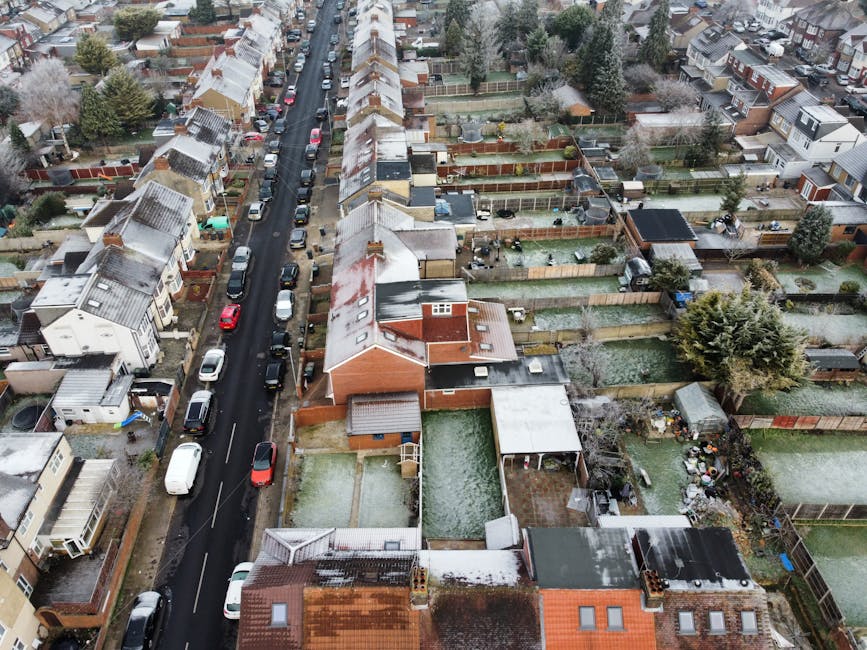
Narrow streets can turn a perfectly ordinary move into a tense little puzzle. One awkward corner, one low-hanging branch, one van parked a bit too far over the kerb, and suddenly you are trying to protect your furniture, your vehicle, and the neighbour's wall at the same time. Avoiding Damage on Narrow West Hendon Streets is really about planning well, moving calmly, and working with the street rather than fighting it.
In West Hendon, the challenge is rarely just the size of the van. It is the mix of tight access, short parking windows, pedestrians, blind turns, and the usual London pressure of "just get it done". That pressure is where most avoidable damage happens. This guide walks through the practical side of doing things properly, from route planning and loading discipline to the small habits that protect door frames, bumpers, stairwells, and sanity. To be fair, the little details matter most here.
Why Avoiding Damage on Narrow West Hendon Streets Matters
When a street is tight, damage tends to happen in small, boring moments rather than dramatic ones. A van mirror catches a gatepost. A sofa scrapes a wall on the landing. A box is carried one-handed because someone is in a hurry, and the grip slips. None of it feels huge in the moment, but the aftermath can be expensive and annoying very quickly.
That is why careful moving practice is so important in West Hendon. Narrow roads do not forgive lazy planning. They reward patience, clear communication, and people who know how to work with limited space. If you are moving a flat, a family home, or even just a heavy item, the street itself becomes part of the job.
There is also a trust side to this. If you are moving out of a rented property, a small scuff on a hallway or a cracked curb stone can become a conversation you would rather not have. If you are helping a neighbour or working a same-day job, the expectation is simple: protect the property and keep the move under control. A careful move looks professional. A rushed one looks, well, a bit chaotic.
West Hendon streets can also be busy at odd times. School runs, delivery vans, cyclists, pedestrians, and people stepping out from parked cars all add to the risk. The narrower the street, the less room there is to correct a mistake. Once a van is positioned badly, everyone feels it.
Expert summary: The safest approach on narrow streets is not speed on its own, but controlled speed. Plan the route, reduce the load, keep movements tidy, and assume every corner deserves a little extra space.
How Avoiding Damage on Narrow West Hendon Streets Works
At its simplest, avoiding damage is a chain of good decisions. You start by understanding the access, then you prepare the load, then you move in a way that matches the street rather than forcing the street to match you. That may sound obvious, but in practice it is where many people go wrong.
A careful move usually follows four layers:
- Access planning - checking where the vehicle can stop, turn, reverse, and safely unload.
- Load control - wrapping, padding, and securing items so they do not shift or swing.
- Route discipline - using the clearest path from van to property, even if it is not the shortest.
- Contact management - protecting the parts most likely to get hit: door edges, bannisters, mirrors, corners, and thresholds.
For furniture moves, this often means two people thinking like one team. One leads at the front, one manages the back, and both adjust slowly through tight gaps. For larger items such as wardrobes, sofas, fridges, or pianos, the job becomes less about brute force and more about angles. A few centimetres can make the difference between a clean turn and a costly knock.
If you want a deeper look at safe handling methods, the guide on kinetic lifting is a useful companion read. It explains how controlled movement reduces strain and improves handling in awkward spaces. That idea matters on narrow streets because rushed lifting usually leads to rushed footwork too. And that is where people clip walls, trip over thresholds, or lose balance on the final step.
One more thing: vehicle choice matters. A smaller or medium van may be easier to place in a tight road than a larger one, even if you need an extra trip. Sometimes the better option is not the biggest van, but the one that fits the street without creating stress for everyone else.
Key Benefits and Practical Advantages
There is a very practical reward for doing this properly: less damage, less delay, and less drama. Which, let's face it, is what most people want from a move anyway.
- Fewer repair costs: Proper padding, route planning, and careful parking reduce avoidable scratches and chips.
- Smoother loading: When the vehicle is positioned well, carrying distances are shorter and safer.
- Better time control: A calm approach prevents the stop-start chaos that causes mistakes.
- Less stress for everyone: Residents, movers, and drivers all feel the difference when the process is organised.
- Improved customer confidence: A tidy, careful move gives a much better impression than a rushed one.
- Lower risk of complaints: Fewer bumps, fewer disputes, fewer "I'm sure that wasn't there before" moments.
There is also a hidden benefit people do not always mention: good damage prevention protects the move rhythm. When someone has to stop and inspect a scuffed wall or re-wrap a table leg, the whole job slows down. Careful systems reduce those interruptions. You get a better flow, and the move feels more manageable.
If you are preparing several rooms at once, the article on smart packing for a flawless house move can help you reduce clumsy handling before the van even arrives. That is often the cleanest win. Less awkward packing equals less awkward carrying.
For readers who are moving out of a flat with stairwell turns and narrow landings, flat removals West Hendon is especially relevant because tight internal access tends to be part of the same challenge. Outside and inside usually go hand in hand.
Who This Is For and When It Makes Sense
This advice is for anyone moving through tight West Hendon roads, but some people feel the pressure more than others.
- Home movers: Especially if you have bulky furniture or a full household to shift.
- Flat movers: Narrow access, stairwells, and shared entrances can make damage more likely.
- Students: Often moving on a budget, which can tempt people to overpack and under-plan.
- Office movers: Desks, monitors, filing cabinets, and IT gear need tidy handling in tight windows.
- People needing same-day support: Short notice tends to increase pressure, so caution matters even more.
- Anyone with fragile or awkward items: Mirrors, glass tables, appliances, and musical instruments are the obvious candidates.
This also makes sense when the street is not just narrow, but awkwardly parked. If the kerbside space is limited or the road is busy with passing traffic, the job becomes a chess game with wheels. In those cases, a good mover will often think in terms of timing, not just access.
People arranging a more urgent move may benefit from reading what to expect from urgent same-day removals in West Hendon. The pace is different, but the access problem is exactly the same: move carefully, even when time is tight.
Step-by-Step Guidance
Here is the cleanest way to approach a narrow-street move without unnecessary damage.
- Walk the route first. Check the street entrance, the vehicle stopping point, the width of the turning area, and any obvious obstacles such as bins, low branches, bollards, or awkward corners.
- Measure the bulky items. Do not guess. Measure sofas, mattresses, wardrobes, fridges, and anything with a fixed frame. Guessing is how people end up turning a mattress three times in the rain.
- Protect contact points. Use blankets, corner guards, wrap, and tape where needed. Pay special attention to door edges, table legs, mirror corners, and the front and rear of the van.
- Create a clear carry line. Decide which path will be used from property to van. Remove obstacles early instead of trying to improvise later.
- Assign roles. One person leads, one follows, and one person can act as a spotter if the space is especially tight. Clear roles prevent the awkward "after you - no, after you" shuffle.
- Move slowly at pinch points. Tight corners, stairs, and front doors deserve deliberate movement. That is where most scrapes happen.
- Load the van in stable layers. Place heavy items low and secure them before adding lighter boxes. Uneven stacks tend to shift when the vehicle brakes.
- Check before departure. Do a final walkaround for contact marks, loose straps, open doors, and hidden scratches. A thirty-second check can save a long conversation later.
If your move includes appliances, the advice on fridge freezer upkeep tips and storing your freezer safely and effectively can help you avoid damage from poor preparation. Appliances are oddly unforgiving when handled casually. They look solid, but they hate being shoved around.
For bigger household loads, the page on decluttering secrets for a stress-free move is worth a look too. Less clutter means fewer objects to carry through tight spaces, and fewer things to knock on the way out.
Expert Tips for Better Results
A few habits consistently make narrow-street moves safer. These are the sort of things that seem small until they save the day.
Use the right van size, not the biggest one available
A large van can be useful for capacity, but if it cannot park cleanly or reverse safely, it becomes a problem. In narrow streets, the best vehicle is often the one that leaves enough room to manoeuvre without blocking everything.
Protect the building before the furniture
People often wrap the sofa before they think about the hallway. That is backwards. Door frames, bannisters, stair nosings, and entrance corners usually need protection first, because that is where contact happens.
Keep one person free to spot hazards
A spotter is a quiet advantage. They watch mirrors, pedestrians, parked cars, and awkward edges while the main handlers focus on the load. Simple. Effective.
Use shorter carry runs where possible
If you can place the van safely a few metres closer, do it. But if that position creates a risk for other road users or the property, don't force it. A slightly longer carry is better than a clipped wing mirror.
Choose the right lifting technique
Safe handling matters even more in confined streets, where a stumble has less recovery space. The guide on becoming a solo heavy lifting pro is useful for understanding body position, grip, and balance. Even if you are not lifting alone, the principles still help.
And yes, sometimes the best tip is the boring one: slow down. It is not glamorous. It is not thrilling. But it works.
Common Mistakes to Avoid
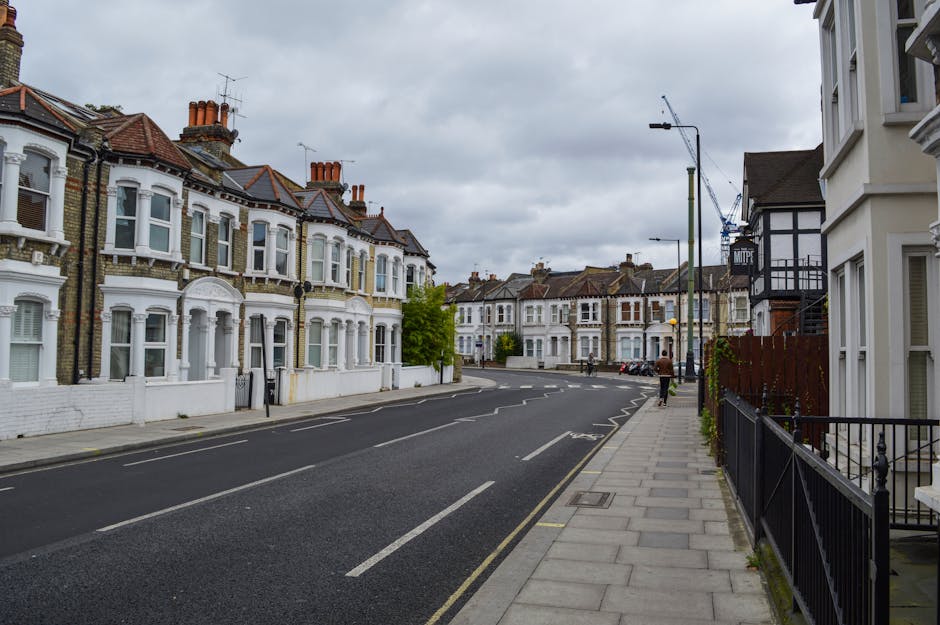
Most damage on narrow streets comes from a predictable set of errors. Once you know them, they become easier to dodge.
- Forcing a van into a space that is too tight: If the angle looks wrong, it probably is wrong.
- Carrying too much at once: This is how grips slip and corners get clipped.
- Skipping a route check: What looked fine on paper can be a nuisance in real life.
- Leaving fragile items under loose loads: Anything that can move will move.
- Using weak wrapping: A thin sheet of plastic is not the same as real protection.
- Trying to rush through doorways: Door thresholds are deceptively awkward.
- Ignoring the weather: Wet kerbs, slippery steps, and drizzly afternoons make handling harder.
One very ordinary mistake is not briefing the team properly. Someone assumes the back door is open. Someone else thinks the sofa is already wrapped. The result? A lot of standing around, then a last-minute scramble, then a scratch that could have been avoided. Happens all the time.
If you are moving into a new place and want to reduce last-minute chaos, this guide to a zero-stress house move fits naturally here. Calm preparation is a damage-prevention tool, not just a comfort tip.
Tools, Resources and Recommendations
You do not need a warehouse full of gear, but the right tools make a clear difference. A few sensible items can protect both property and peace of mind.
| Tool or Resource | What It Helps With | Why It Matters on Narrow Streets |
|---|---|---|
| Removal blankets | Padding furniture and protecting wall contact points | Reduces scratch risk during tight turns and loading |
| Corner protectors | Shielding sharp furniture or wall edges | Useful where clearance is limited and angles are awkward |
| Straps and ties | Securing loads inside the van | Stops items shifting when braking on narrow roads |
| Furniture sliders or trolleys | Helping move heavier pieces safely | Reduces dragging, especially on communal floors |
| Gloves with grip | Improving control and hand protection | Helpful in wet weather or for awkward surfaces |
| Box labels | Sorting items by room and fragility | Prevents confusion during fast loading and unloading |
If your move is furniture-heavy, furniture removals in West Hendon is the sort of service page that matches this practical approach, especially where bulky items need more than standard carrying. The same goes for packing and boxes West Hendon when the prep stage is where most of the risk sits.
For people trying to compare service styles, the overview at services overview can help you think through the right level of support before moving day. Sometimes you do not need everything; sometimes you really do.
Law, Compliance, Standards, or Best Practice
Moving work in the UK is shaped by common-sense safety practice, road awareness, and the duty to avoid unnecessary risk to people and property. That sounds broad because it is broad. But the practical takeaway is very clear: if a job can be completed more safely with better planning, clearer lifting technique, or more suitable vehicle positioning, that is the standard you should aim for.
On narrow streets, best practice usually includes:
- not blocking access routes longer than necessary;
- keeping loads secure inside the vehicle;
- using adequate manual handling methods;
- watching for pedestrians and parked vehicles;
- respecting neighbouring property and shared access areas.
If a move involves heavy or awkward items, the right approach is often to reduce manual risk rather than push through with guesswork. That is especially true for stairs, stairwells, and tight corners. In practice, good health and safety habits are not box-ticking; they are what prevent avoidable knocks and trip hazards.
For customers who value careful handling and process detail, the information on health and safety policy and insurance and safety provides useful reassurance. And if you are looking at how a move is organised more broadly, removal services West Hendon and removals West Hendon show how these jobs are usually approached in a structured way.
For extra confidence around business standards and transparency, the pages on terms and conditions, payment and security, and pricing and quotes are useful to review before booking. It is just sensible, really.
Options, Methods, or Comparison Table
There is more than one way to handle a narrow-street move. The best option depends on the size of the load, how tight the access is, and how much time you have.
| Approach | Best For | Pros | Trade-Offs |
|---|---|---|---|
| Small van with multiple trips | Very tight streets and light-to-medium loads | Easier parking, lower access risk, better manoeuvrability | May take longer overall |
| Medium van with planned loading | Typical home or flat moves | Good balance of capacity and access | Needs careful positioning |
| Full-service removal team | Bulky, fragile, or higher-value items | More hands, better control, less personal effort | Usually more involved to organise |
| Self-move with helpers | Small budgets and modest loads | Flexible and cost-conscious | Higher risk if helpers are inexperienced |
In West Hendon, the right choice is often the one that reduces pressure at the roadside. A large vehicle with poor access can create more damage risk than a smaller vehicle with a calm, efficient transfer. Simple, but easy to overlook.
If the move needs a quicker response, the page on same-day removals West Hendon is relevant. Speed can be useful, but only if it does not push the job into sloppy territory. There is no prize for being fastest if the sofa arrives with a torn seam.
Case Study or Real-World Example
Picture a Friday afternoon move from a first-floor flat on a narrow West Hendon road. The van cannot sit directly outside the entrance because another vehicle has already claimed half the available space. The pavement is narrow, the door swing is awkward, and the furniture list includes a sofa, a bed base, two wardrobes, and a fridge freezer. Not exactly a leisurely little job.
In that situation, the team first checks whether a slightly smaller van can be placed closer to the entrance without blocking turning space. They then clear the pathway inside the flat, wrap the sofa corners, and remove the wardrobe doors before moving them. One person stays ahead to watch the turn at the front gate, while another supports the rear of longer items through the doorway.
What made the difference? Not strength. Not speed. Planning.
They also used a short staging point near the van, so nothing had to be carried in one rushed movement. The fridge freezer was loaded last and secured upright. The move took a little longer than a careless version would have, but the walls stayed clean, the van stayed scratch-free, and nobody had to apologise to a neighbour for blocking the drive.
If the move had involved a piano, the special care would have been even more important. That is where piano removals West Hendon and the companion article on the complex world of piano moving and professional expertise become very relevant. Some items simply do not forgive improvisation.
Practical Checklist
Use this before moving day, or even on the morning itself if time is tight.
- Confirm the exact street access and parking position.
- Measure large furniture and appliances before lifting.
- Reserve time for wrapping, padding, and strap checks.
- Clear hallways, entrances, and stairwells of loose items.
- Protect wall corners, bannisters, and door frames.
- Use the safest carry path, not the shortest one.
- Assign one person to spot tight turns and hazards.
- Load heavy items low and secure them firmly in the van.
- Keep children, pets, and bystanders away from active carry routes.
- Do a final walkaround before leaving.
If you are still in the sorting stage, cleaning your home before you relocate is a practical lead-in, and it pairs nicely with the earlier decluttering advice. A tidier property is easier to carry through. That sounds obvious, but the obvious stuff is usually the stuff that saves time.
Quick reminder: If the street feels too tight for the plan you have in your head, reduce the plan. That is not failure; that is good judgement.
Get a free quote today and see how much you can save.
Conclusion
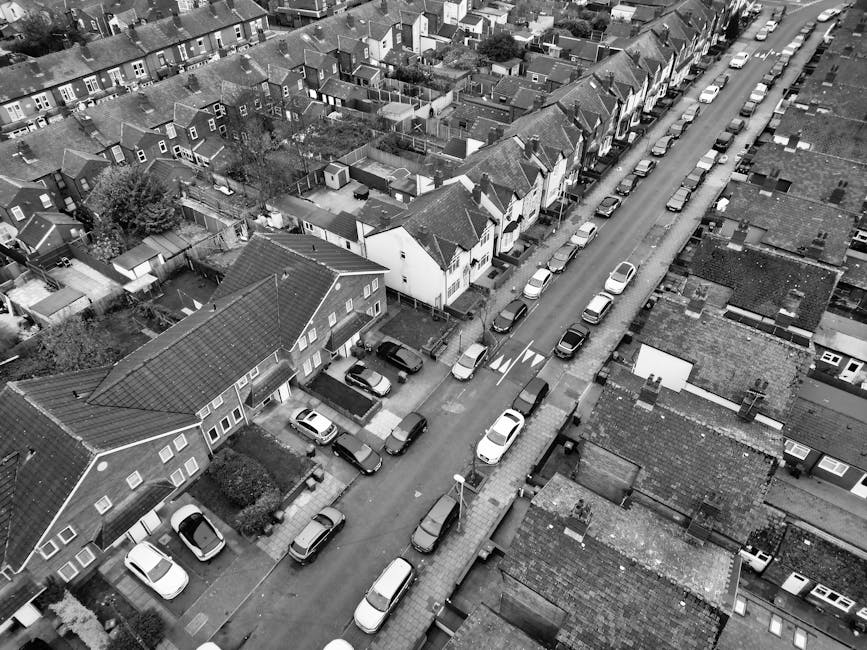
Avoiding damage on narrow West Hendon streets is not about being overly cautious or slowing everything to a crawl. It is about moving with intent. The best results usually come from simple things done well: measuring properly, choosing the right vehicle, protecting contact points, and keeping the team calm when space gets tight.
Truth be told, narrow street moves are rarely glamorous. They are about patience, judgement, and not trying to be a hero with a sofa. But if you get those basics right, the whole day feels easier. The van leaves without drama, the property stays intact, and the move feels like a controlled job rather than a scramble.
And that is the real aim: not just to finish the move, but to finish it neatly. With a bit of planning and a steady hand, even the tightest street can be handled well.